Home / Blog / Feeling safer at home
Home safety7 simple ways to feel safer when you're living at home alone


Living on your own can feel wonderful — your space, your routine, your peace and quiet. A few small changes can make it feel even safer, without turning your home into a hospital or spending a fortune.
Here are seven things you can do this week. Pick one to start. You don't need to do them all at once.
1. Clear the paths you walk most
Think about the routes you take every day — bed to bathroom, chair to kitchen. Take up loose rugs or tape them down, tuck away cords, and move low furniture out of the walkway. A clear, even path is the simplest way to prevent a fall.
2. Add light where you need it
Many falls happen at night, on the way to the bathroom. Plug in a few night-lights along that path, and keep a lamp or flashlight within arm's reach of your bed. If a hallway switch is far from the door, a stick-on motion light solves it in minutes.
Small spend, big difference
A pack of motion-sensor night-lights costs only a few dollars and needs no wiring — one of the best safety upgrades for the money.
3. Make the bathroom sturdier
The bathroom floor is often wet and there's little to hold onto. Grab bars beside the shower and toilet give you something solid to steady yourself, and a non-slip mat keeps your footing. A handyman can usually fit grab bars in about an hour.
4. Keep a phone — or an alert — within reach
Carry a cordless or mobile phone with you around the house, or wear a medical alert button. The goal is simple: if you ever need help, it's never more than an arm's length away.
5. Wear shoes that grip
Socks and loose slippers slide. A supportive pair of shoes or slippers with non-slip soles, worn indoors, gives you a steadier step on every surface.
6. Put important numbers where you can see them
Tape a short list by the phone: 911, your doctor, a close family member, and a neighbor. In a stressful moment, you won't have to remember or search — it's right there.
7. Tell someone your routine
A quick daily check-in — a phone call, a text, or a wave to a neighbor — means someone will notice quickly if something's not right. It's the kind of quiet safety net that lets you enjoy your independence with confidence.
If you ever fall and can't get up
Stay calm, call 911, and press your medical alert button if you wear one. Help is on the way — you don't have to manage it alone.
Start with just one of these today. Each small change adds up to a home that's safer — and a life that stays yours.
Keep reading
 Independence
Living alone and loving it: daily habits that keep you independent
A gentle routine for staying strong, social, and confident.
 Technology
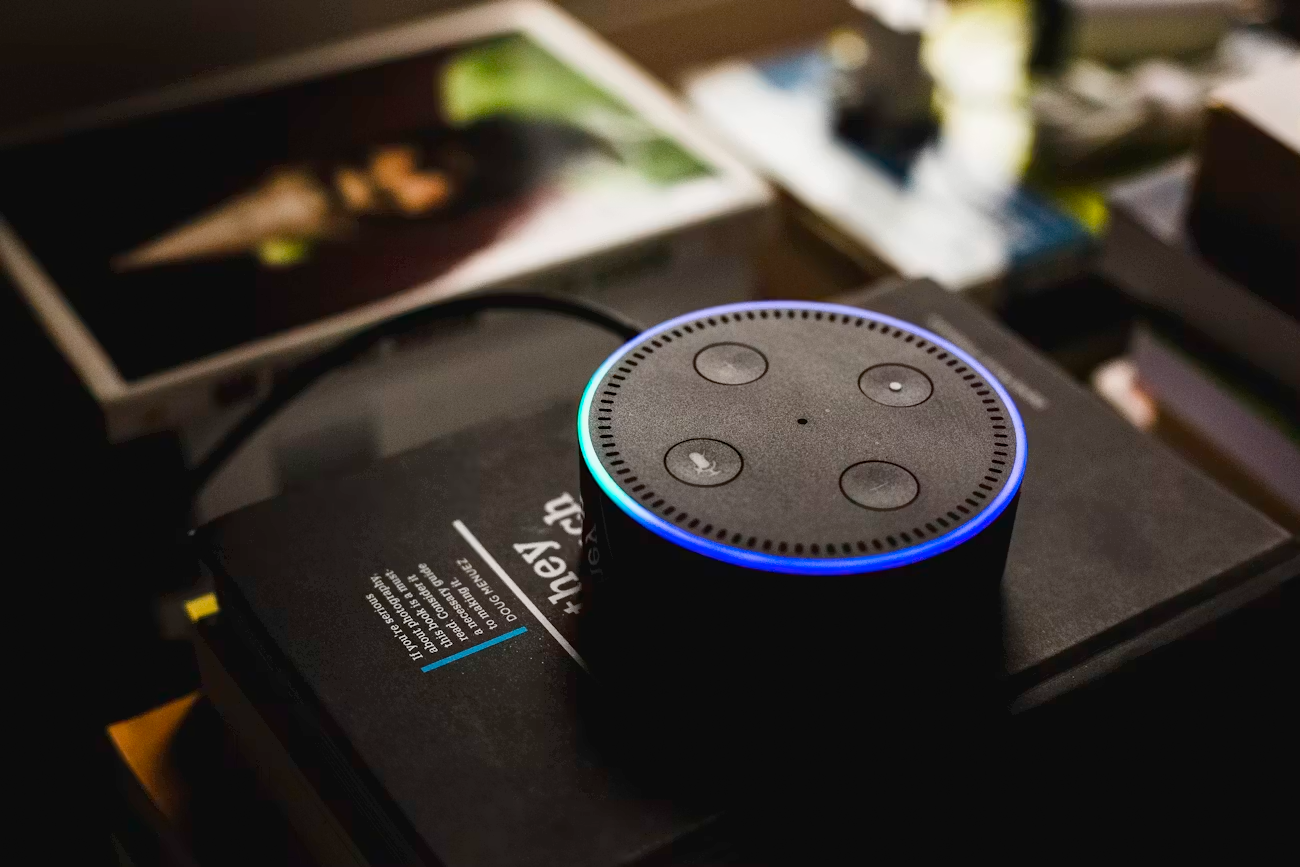
The quiet tech that helps seniors living at home alone stay connected
Voice assistants, video calls, and alerts that keep family close.